Digesting 'The Menu': How a Dark Comedy Inverts Classic Horror Tropes
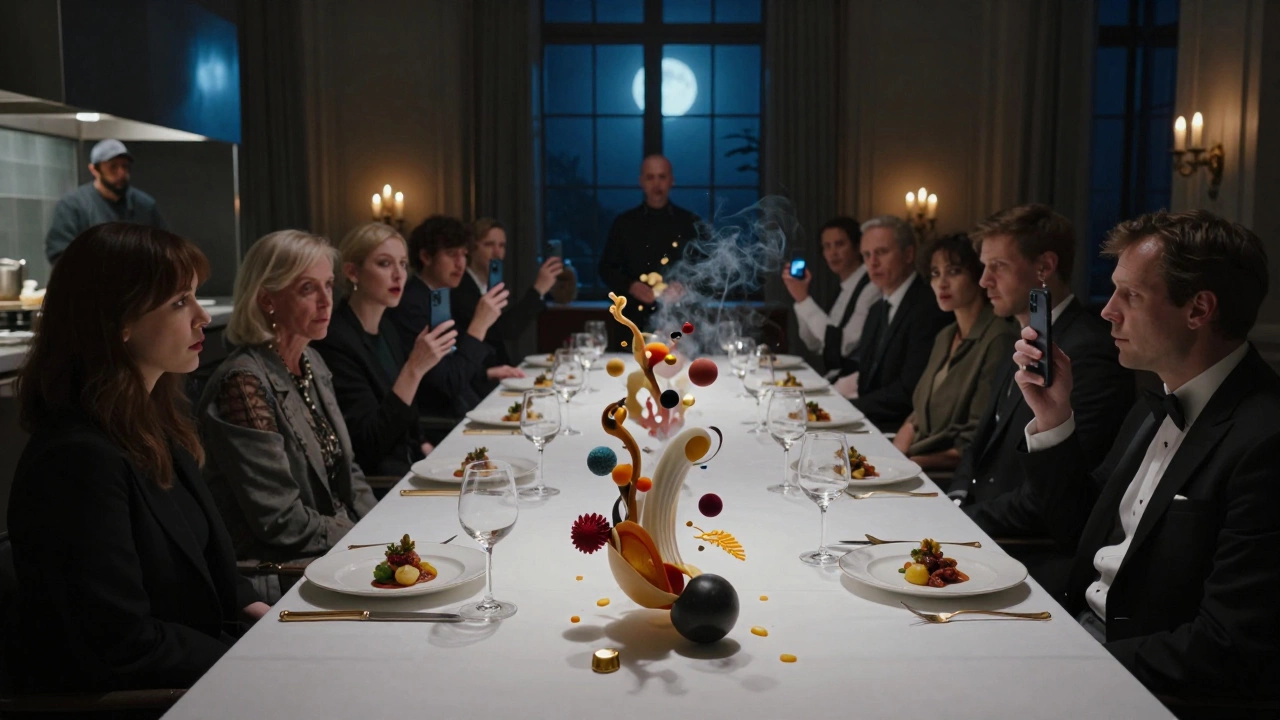
When The Menu hit theaters in 2022, audiences weren’t just watching a meal-they were watching a slow-burn dismantling of everything we’ve been taught to romanticize about fine dining, elite culture, and the myth of the tortured genius. It’s not just a horror-comedy. It’s a mirror held up to the performative excesses of wealth, where the food is art, the chef is a god, and the guests? They’re ingredients. The film doesn’t just critique these systems-it inverts them. What starts as a glamorous retreat turns into a grotesque ritual, and the people who think they’re above the rules find themselves at the bottom of the plate.
There’s a moment early on when one guest, a wealthy tech mogul, pulls out his phone to snap a photo of his amuse-bouche. He’s not hungry-he’s documenting. It’s a quiet jab at how experience has become content. That same energy exists in places like euro girls escort london, where curated appearances mask deeper emptiness. Both the Michelin-starred table and the high-end escort service sell fantasy: the illusion of intimacy, the promise of exclusivity, the belief that money can buy meaning. In The Menu, that fantasy turns lethal. In real life, it just leaves people lonelier.
The Chef as Villain, Not Hero
For decades, movies have glorified the chef as the mad genius-think Jiro Dreams of Sushi or Big Night. These characters are tortured, passionate, almost saintly in their devotion. The Menu flips that. Chef Slowik isn’t a martyr to craft. He’s a nihilist. His cooking isn’t about nourishment or beauty-it’s about control. He doesn’t want you to taste his food. He wants you to understand your place in the system that made him.
He doesn’t serve dishes. He serves consequences. The foie gras isn’t about flavor-it’s about guilt. The truffle oil isn’t luxury-it’s a reminder of how much you’ve paid to feel special. And when he tells his staff, ‘The guests are the problem,’ he’s not just ranting. He’s naming the truth: the entire industry exists to feed the ego of people who think they deserve to be pampered while ignoring the cost.
The Guests Are the Real Monsters
Every guest at Hawthorne has a story. There’s the food critic who’s lost her edge, the aging actor clinging to relevance, the couple who treat dining like a status symbol. None of them are evil. But they’re all complicit. They show up because they believe they’re entitled to this experience. They don’t ask why the food costs $1,200. They don’t wonder where the ingredients come from. They don’t care about the kitchen staff who work 18-hour days. They just want to say they were there.
The film’s brilliance lies in how it makes you uncomfortable-not because of the violence, but because you recognize yourself in them. Maybe you’ve paid $300 for a tasting menu just to post it on Instagram. Maybe you’ve laughed at a waiter’s mistake, thinking it’s harmless. The Menu doesn’t punish the chef. It punishes the system that made him.
Food as Theater, Not Sustenance
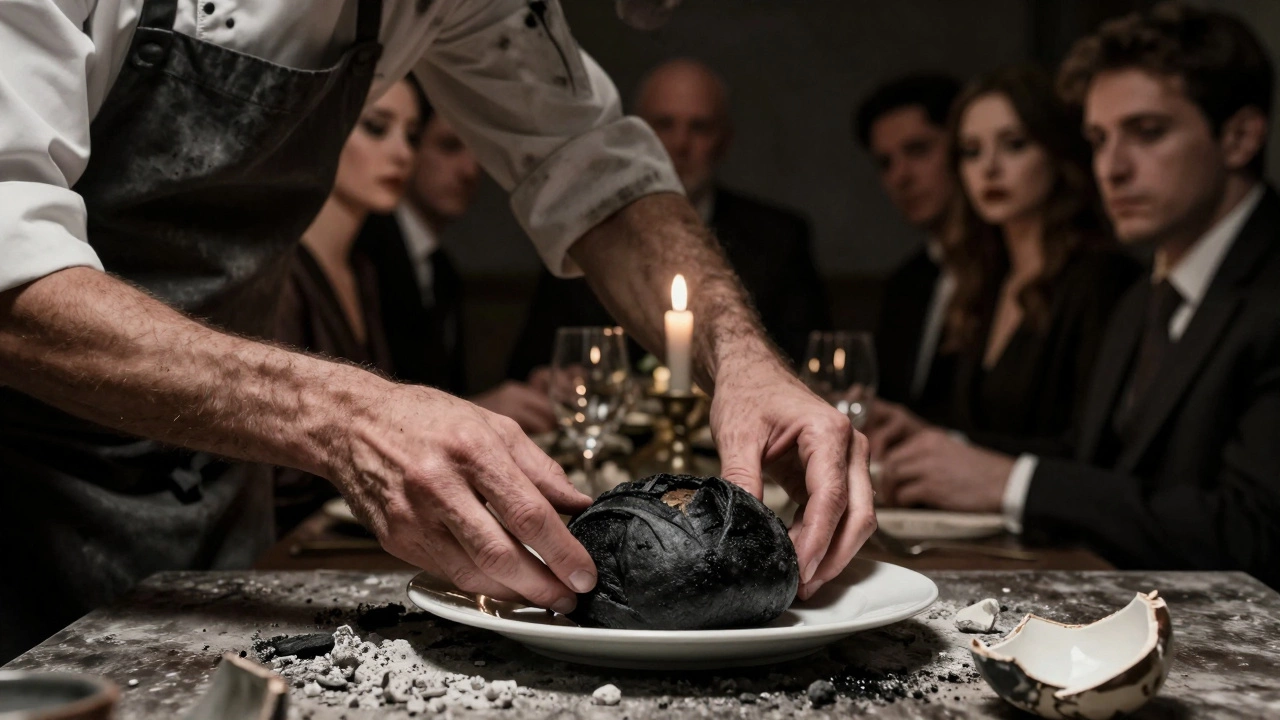
The dishes in The Menu aren’t meant to be eaten. They’re meant to be interpreted. The ‘deconstructed’ dessert? A metaphor for broken relationships. The ‘burnt’ bread? A commentary on wasted potential. The entire meal is a performance art piece where the audience is the canvas. And when the guests start to panic, it’s not because they’re afraid of death-it’s because they’ve been stripped of their roles. They’re no longer critics, investors, or celebrities. They’re just bodies.
This mirrors real-world dining trends where presentation trumps flavor, where a $200 plate of edible soil gets more attention than a perfectly grilled steak. The industry calls it innovation. The Menu calls it fraud. And the people who pay for it? They’re the ones who’ve forgotten how to be hungry.
The Final Course: Who’s Really Being Served?
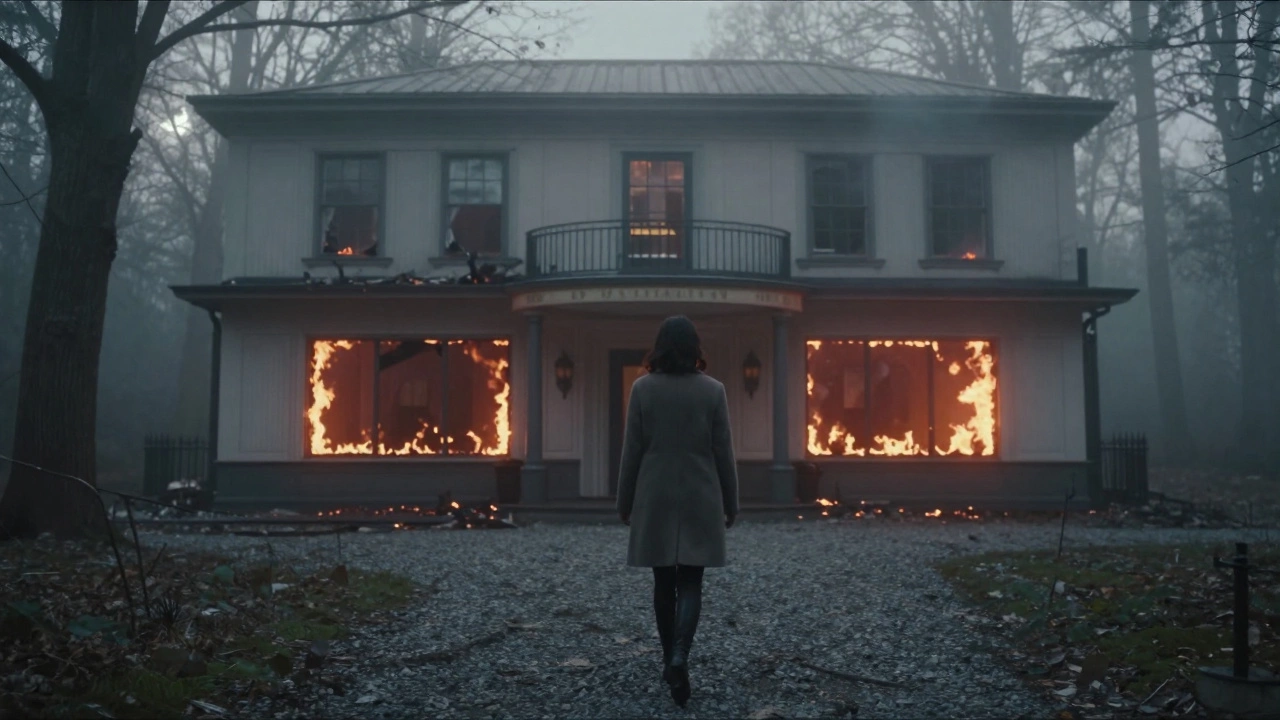
The ending isn’t about revenge. It’s about closure. Slowik doesn’t kill his guests because they wronged him. He kills them because they represent everything he’s spent his life serving-and he’s tired of being the servant. His final act isn’t rage. It’s resignation. He walks into the fire because he’s realized there’s no escape from the system. Even his own staff are trapped.
And then there’s Margot. The only guest who didn’t book the table. The only one who didn’t pay. She’s the outsider, the real person, the one who didn’t come to perform. She survives-not because she’s better, but because she never bought into the lie. She doesn’t need to be told she’s special. She already knows she’s not.
That’s the inversion. The film doesn’t reward the rich. It doesn’t punish the poor. It shows that the real crime isn’t the chef’s actions-it’s the world that let him become this way. The system didn’t break. It was built this way.
Why This Film Still Resonates in 2025
Four years after its release, The Menu feels more relevant than ever. Inflation has made fine dining a luxury only the ultra-rich can afford. Social media has turned every meal into a brand. People pay more for a plate with a name than for something that fills them. Meanwhile, kitchen workers are quitting in droves, tired of being invisible while their bosses get praised as artists.
The film doesn’t offer solutions. But it does offer clarity. You can’t fix a system by complaining about the chef. You have to stop showing up. You have to stop paying for the illusion. And you have to ask: who’s really being served?
That’s the question The Menu leaves you with-not after the credits, but after your next meal. When you sit down, are you eating? Or are you just another ingredient?
There’s a quiet moment near the end where Margot walks out of the restaurant into the cold night. She doesn’t look back. She doesn’t smile. She just keeps walking. And for the first time in the whole film, you feel like someone might actually be free.
Maybe that’s the real twist. The only way to escape the menu is to never sit down at the table.
And if you’re still tempted? Just remember: the most expensive dish on the menu is never the food. It’s the belief that you needed to be there at all.
It’s easy to think luxury is about quality. But sometimes, it’s just about who’s allowed to feel important.
That’s the golden rule The Menu exposes: the more you pay, the less you’re really eating.